
FamilySAFE
FamilySAFE provides EF5-tested above-ground and underground tornado shelters and safe rooms.
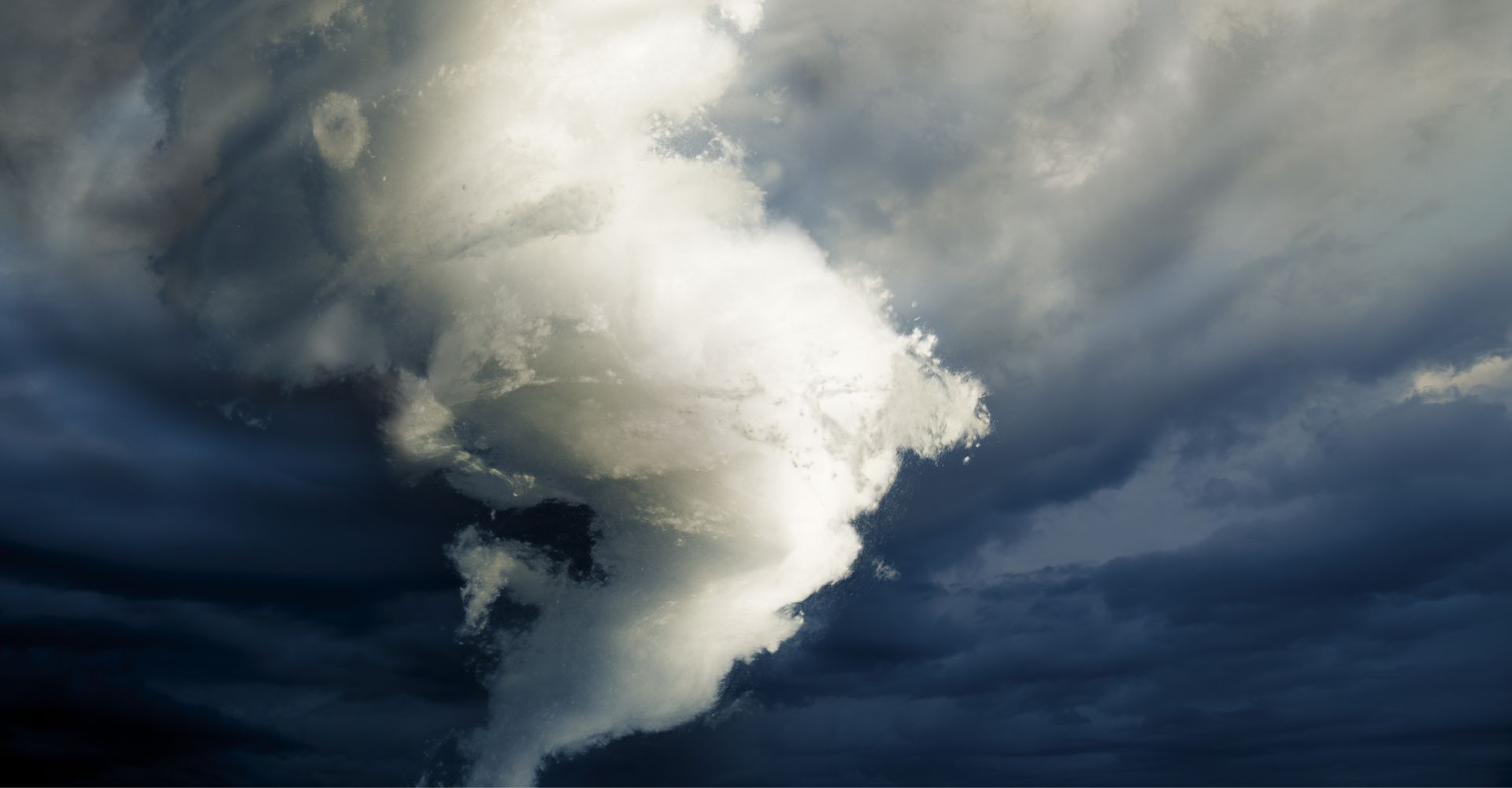
Tornado Savvy: Essential Answers for Staying Safe
Tornadoes are among nature’s most powerful and destructive forces, capable of causing widespread devastation in mere moments. Understanding these atmospheric giants and knowing how to prepare is crucial for safeguarding lives and property. For residents in tornado-prone areas, like those served by FamilySAFE in Oklahoma, taking proactive steps for protection is not just wise — it’s essential. Keep yourself informed and trust our team for your storm protection needs!
Understanding Tornadoes: The Basics
What is a tornado, and how do they form?
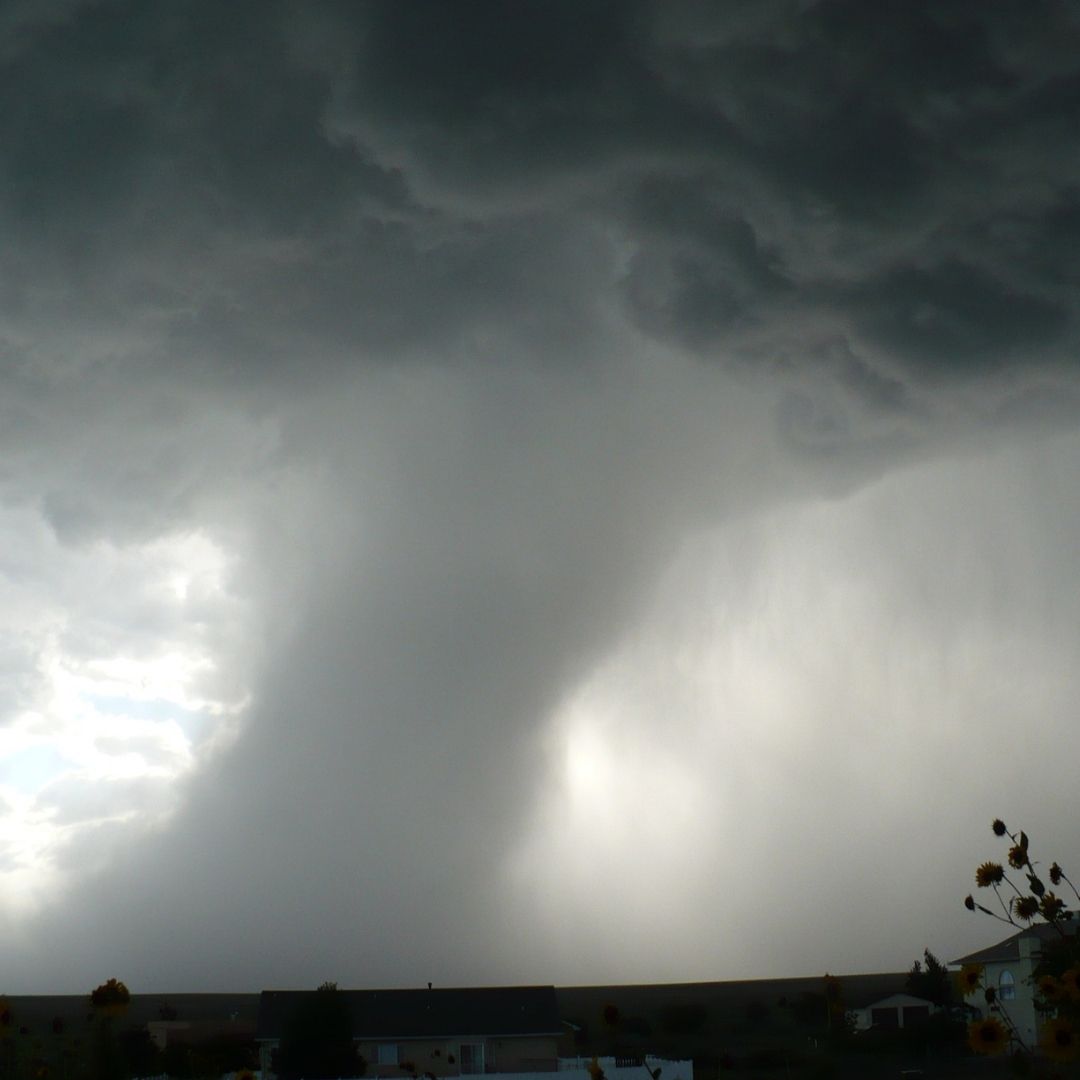
A tornado is a powerful, rotating funnel of air that descends from a thunderstorm to the ground. This terrifying force of nature often begins inside highly organized storms called supercells, which contain a deep, persistent, rotating updraft known as a mesocyclone. While the exact processes are still being researched, tornado formation generally requires the clash of different air masses — specifically warm, moist air meeting cold, dry air.
What does a tornado sound like?
Witnesses often describe the sound of a tornado as a loud roar, eerily similar to a freight train, a jet engine, or a powerful waterfall. This sound is a critical warning sign that immediate action is necessary.
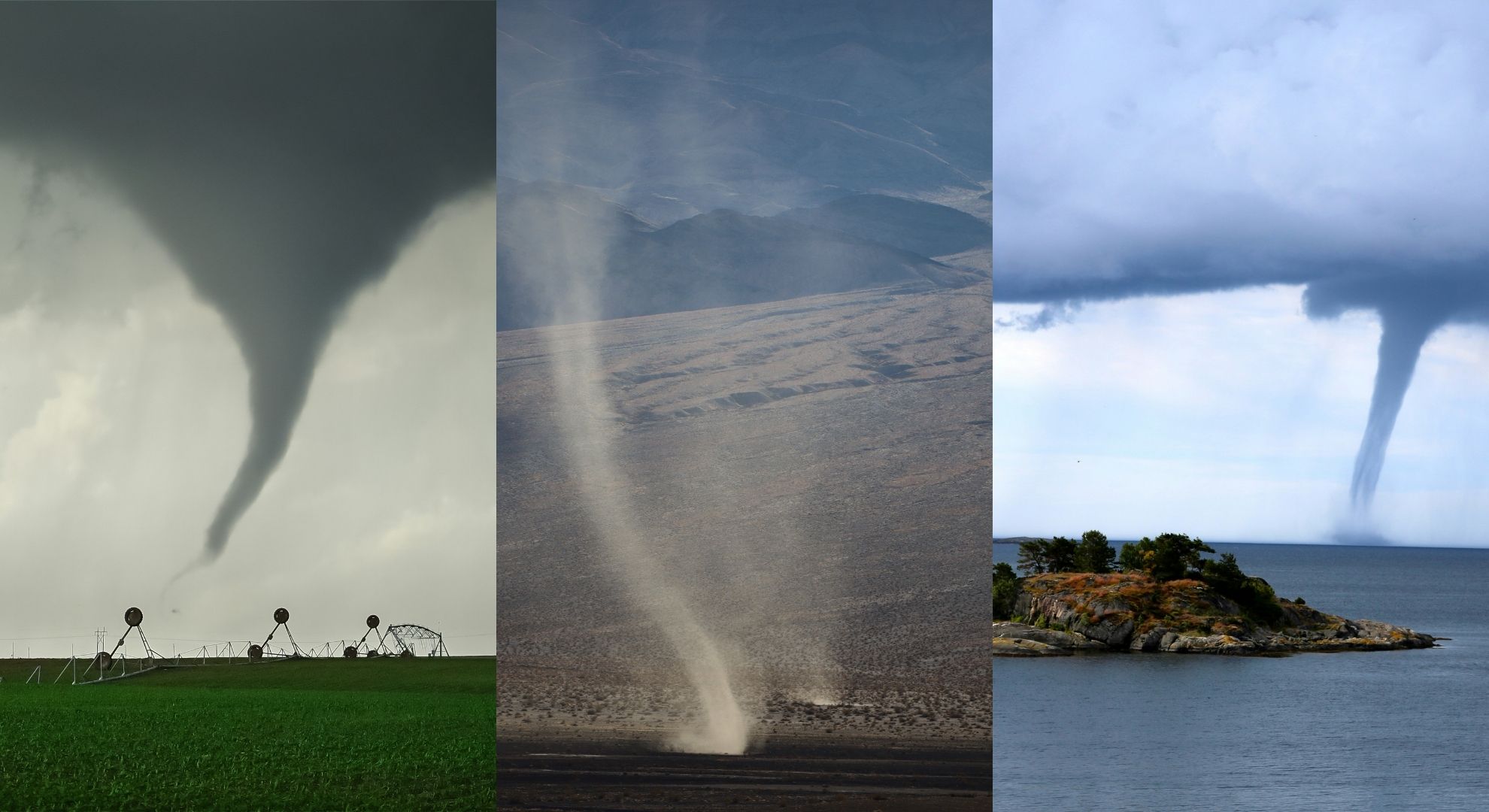
What’s the difference between a tornado, a funnel cloud, and a waterspout?
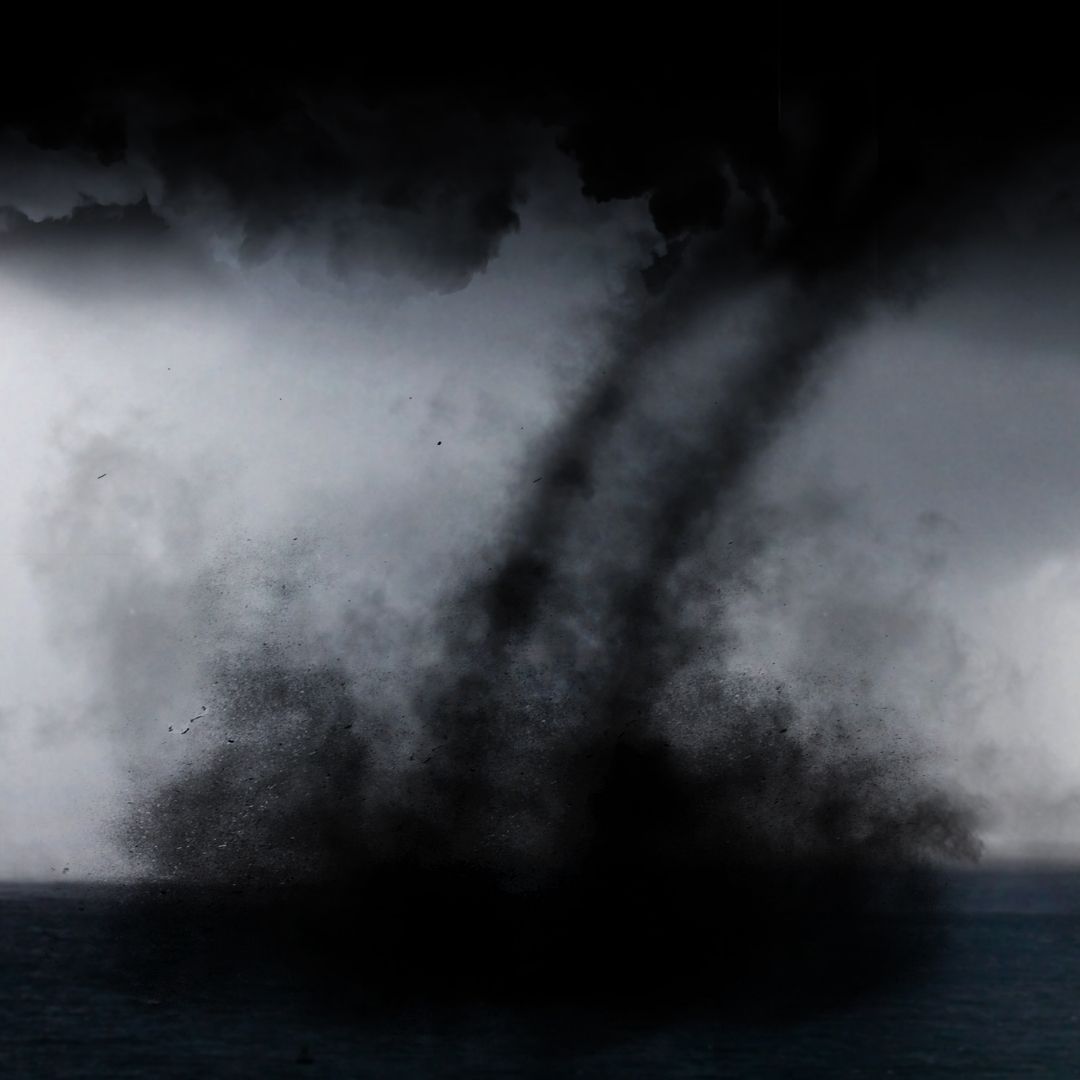
A funnel cloud is a rotating column of air that has not yet touched the ground. Once it makes contact, it becomes a tornado. A waterspout is essentially a tornado that forms over water, exhibiting similar characteristics but in a different environment.
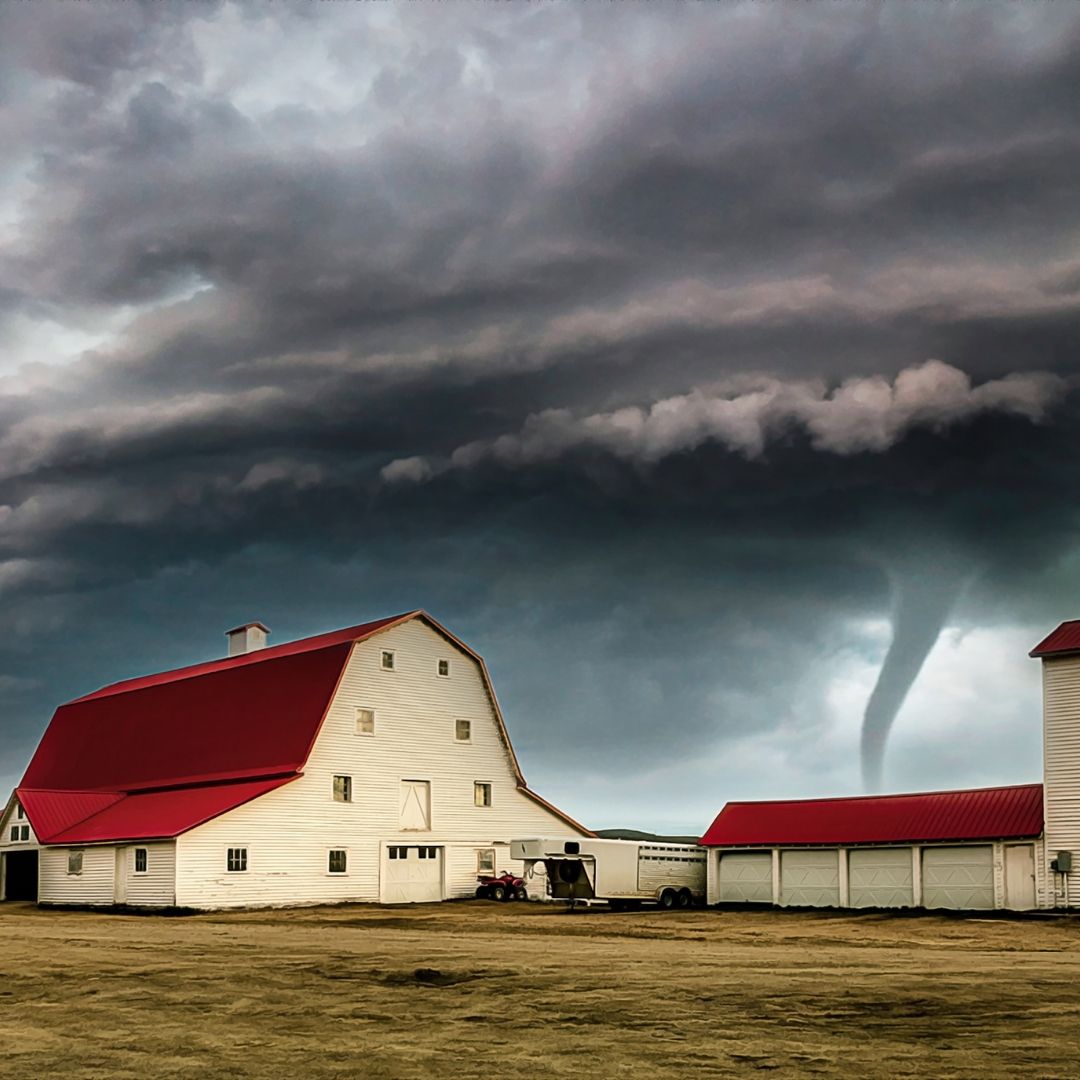
Tornado Characteristics and Impact
How powerful can tornadoes get?
Tornadoes are rated on the Enhanced Fujita (EF) Scale, which ranges from EF0 (weakest) to EF5 (most violent). EF5 tornadoes boast estimated wind speeds exceeding 200 mph, capable of incredible destruction.
How big are tornadoes?
Their size can vary dramatically, from a few dozen feet wide to over two miles in diameter, demonstrating the wide range of their destructive potential.
What is the speed and duration of a tornado?
Tornadoes can move at speeds ranging from nearly stationary to over 60 mph, though a typical tornado travels at about 10-20 mph. While some can last for over an hour, most are on the ground for a relatively short period, often around 15 minutes. Yet, even a brief touch-down can cause immense damage, as their speed and destructive power can be deceptive.
Can multiple tornadoes form at once?
Yes, it’s possible for multiple tornadoes to form in the same area during a severe weather event, sometimes even with smaller tornadoes spinning off from a larger, more dominant one.
Tornado Occurrence and Prediction
Where and when do tornadoes occur?
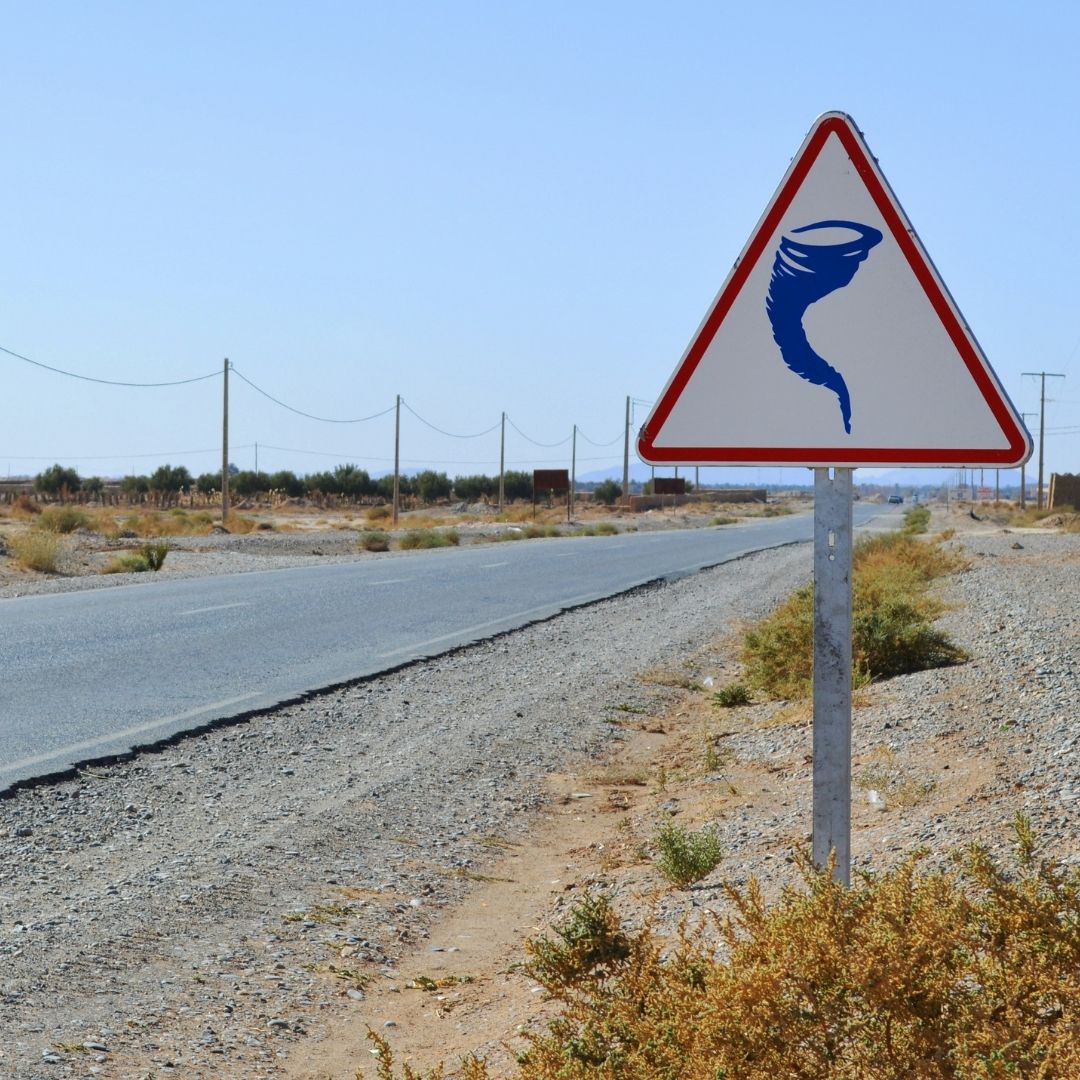
While tornadoes can occur anywhere globally, they are most common in the central plains of the United States, a region famously known as “Tornado Alley.” Although they can happen any time of year, the peak season in the U.S. is typically April through June, generally in the late afternoon and early evening hours.
Are tornadoes predictable?
Meteorologists can forecast conditions conducive to severe thunderstorms and issue tornado watches. Once a tornado is detected or imminent, a tornado warning is issued. While pinpointing the exact location and intensity remains challenging, advancements in Doppler radar and storm spotting have significantly improved warning times.
Where is “Tornado Alley”, and why does it affect states like Oklahoma?
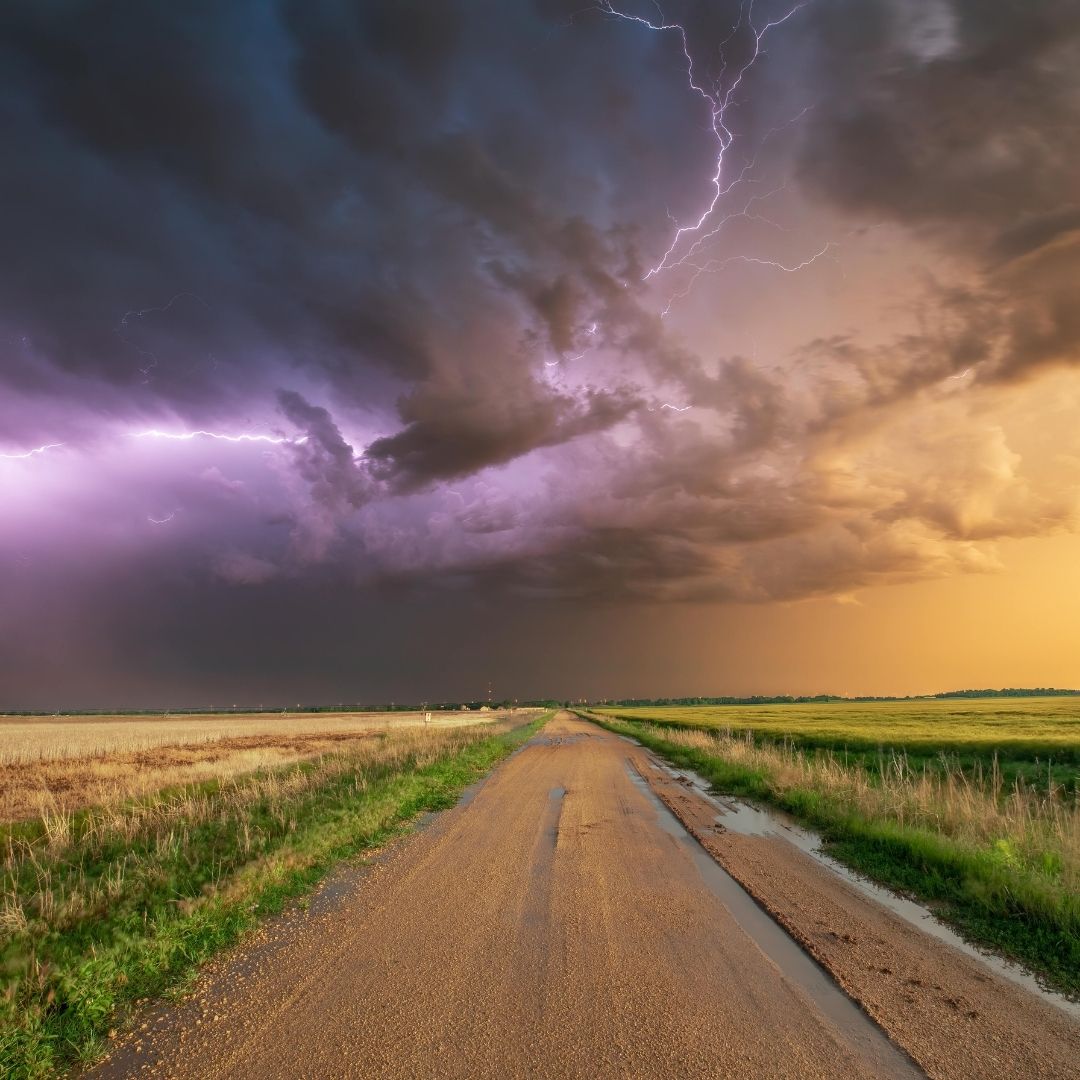
The term “Tornado Alley” refers to a large, active corridor in the central U.S. that primarily includes Texas, Oklahoma, Kansas, Nebraska, and Iowa. This area is a meteorological hotbed because it’s where warm, moist air from the Gulf of Mexico regularly clashes with cold, dry air from the north, creating the perfect unstable conditions for powerful thunderstorms and tornadoes. For this reason, residents of Oklahoma face a consistently high risk of tornado activity and must prioritize proper safety measures
Safety and Preparedness: Protecting What Matters Most
What’s the difference between a tornado watch and a tornado warning?
A tornado watch means that conditions are favorable for tornadoes to develop in your area. This is the time to review your safety plan. A tornado warning means a tornado has been sighted or indicated by radar, and immediate action is needed to seek shelter.
What should I do during a tornado warning?
Seek immediate shelter in a basement, storm cellar, or a small interior room on the lowest level of a sturdy building, away from windows. Getting underground or into a reinforced safe room is your best defense.
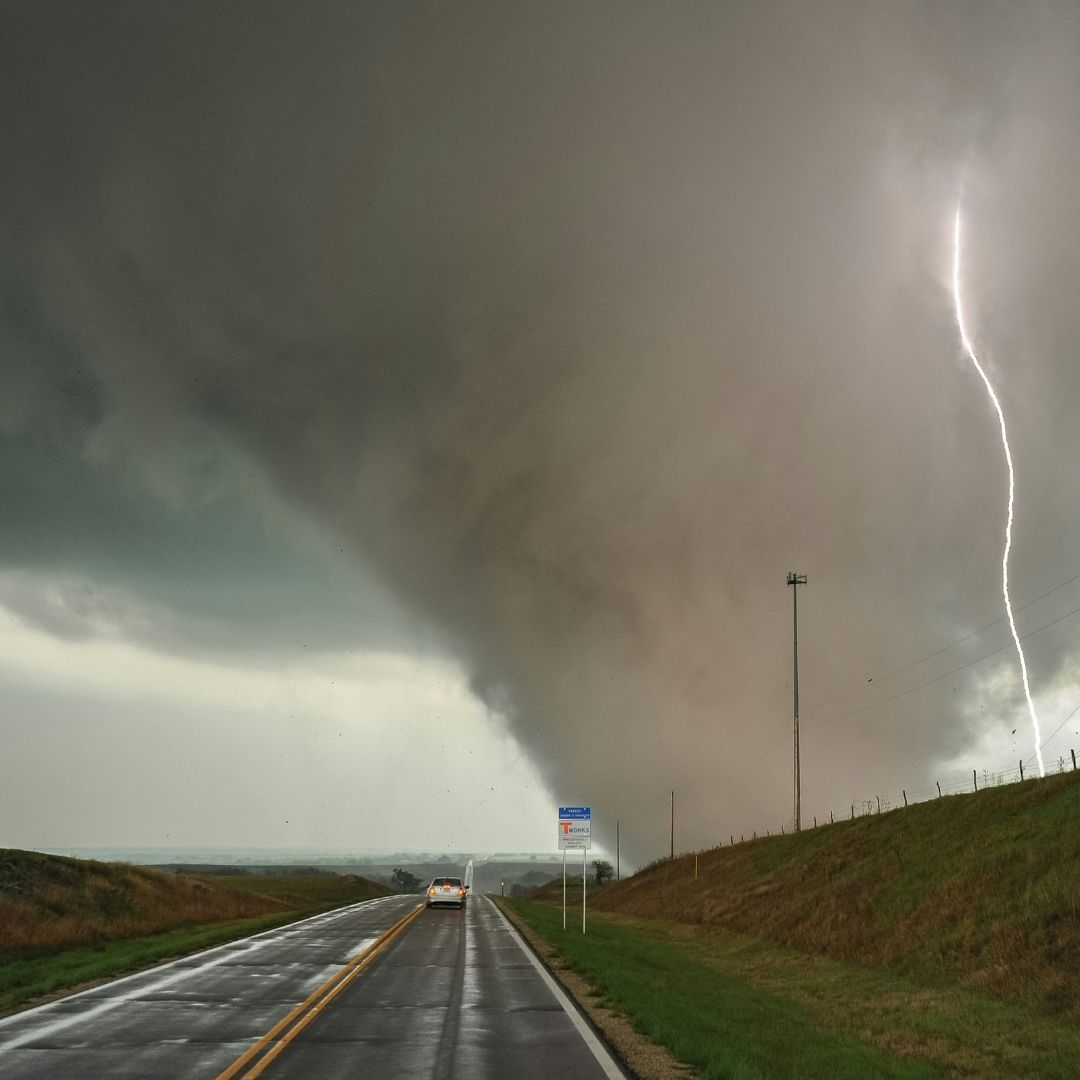
Is a highway overpass a safe place to shelter?
Absolutely not. Overpasses offer little to no protection and can become extremely dangerous due to intensified wind effects and flying debris. You are much safer in a low, flat location like a ditch or culvert.
How do I prepare for a tornado?
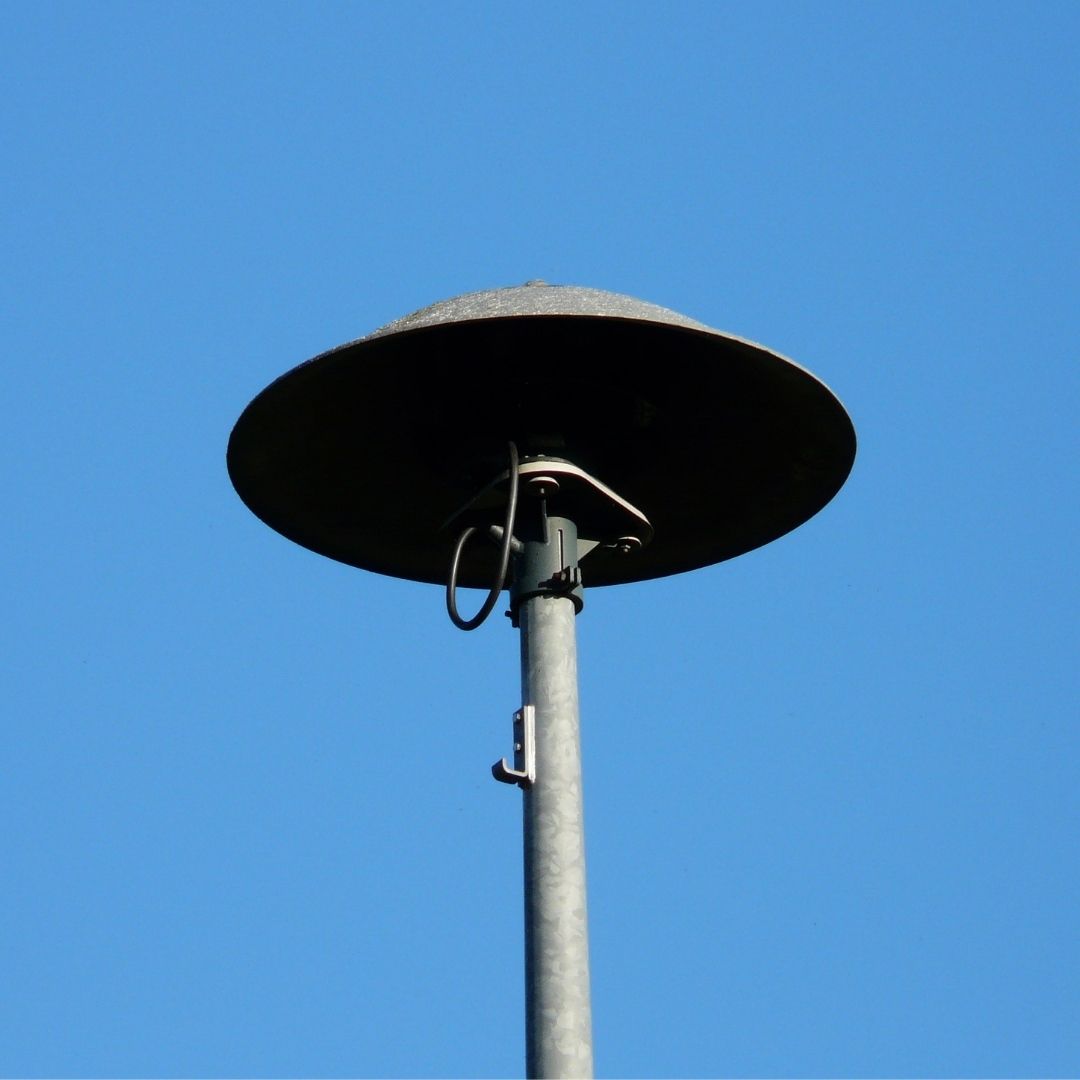
Preparation is key to survival. Know your area’s specific risks, sign up for local warning systems, develop a comprehensive emergency plan with your family, and, most importantly, identify a safe, sturdy shelter.
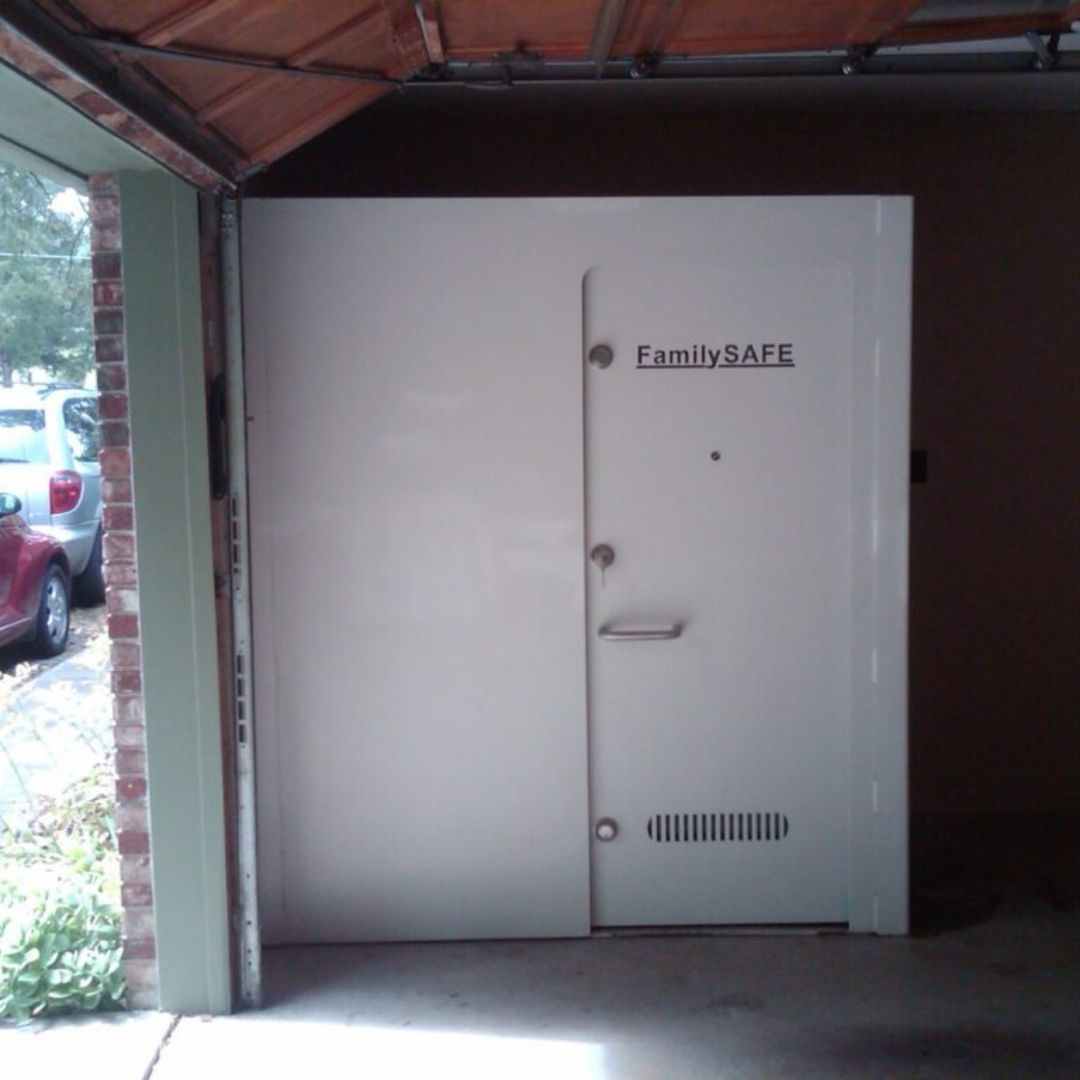
Why choose a FamilySAFE shelter?
A FamilySAFE tornado shelter is designed for easy and rapid access, which is crucial when every second counts. Unlike the scramble to a community shelter or a less-secure interior room, these tornado shelters are located right in your home. From above ground shelters to custom safe room shelters, these shelters can be seamlessly integrated into garages, closets, or as a standalone unit, ensuring your safety needs are met without compromising on your home’s aesthetics. Additionally, these shelters are certified to meet the highest safety standards, providing a secure refuge against even the most violent tornadoes!
Prepare for the Worst With FamilySAFE
Ultimately, true preparedness is about more than just knowledge — it’s about having a plan and a proven means of protection. With the unpredictability of tornadoes, investing in a certified, custom tornado shelter from FamilySAFE offers the highest level of storm protection, providing a designated, steel-reinforced sanctuary that can withstand an EF5 tornado. Please contact us today for a storm shelter quote!